Choosing the right approach to capturing the heavens through photography starts with clear context, practical filters, and realistic expectations.
Introduction to Heaven Photography
Photography has long been a medium to capture the beauty of the world around us, and one of the most awe-inspiring subjects is the heavens. From the vibrant colors of sunrise and sunset to the mesmerizing patterns of the stars and galaxies, the heavens offer a wealth of opportunities for photographers. Capturing the perfect photo of the heavens requires a combination of technical skill, creativity, and patience.
Understanding the Technical Aspects
To capture stunning photos of the heavens, it's essential to understand the technical aspects of photography. This includes familiarity with camera settings such as ISO, aperture, and shutter speed. For example, a low ISO and small aperture are ideal for capturing the details of the sun during sunrise or sunset, while a high ISO and large aperture are better suited for capturing the stars and galaxies at night.
Camera Settings for Heaven Photography
When it comes to camera settings, the key is to experiment and find what works best for the specific scene. Here are some general guidelines: - ISO: 100-400 for sunrise and sunset, 800-1600 for stars and galaxies - Aperture: f/8-f/16 for sunrise and sunset, f/2.8-f/4 for stars and galaxies - Shutter speed: 1/15s-1/30s for sunrise and sunset, 20s-30s for stars and galaxies
Choosing the Right Equipment
Having the right equipment is crucial for capturing high-quality photos of the heavens. This includes a camera with good low-light performance, a wide-angle lens, and a tripod. A remote shutter release or camera timer can also be helpful in reducing camera shake and ensuring sharp images.
Essential Gear for Heaven Photography
Here are some
essential gear items for capturing stunning photos of the heavens: - DSLR or mirrorless camera - Wide-angle lens (between 10-24mm) - Tripod - Remote shutter release or camera timer - Extra batteries and memory cards
Composition and Creativity
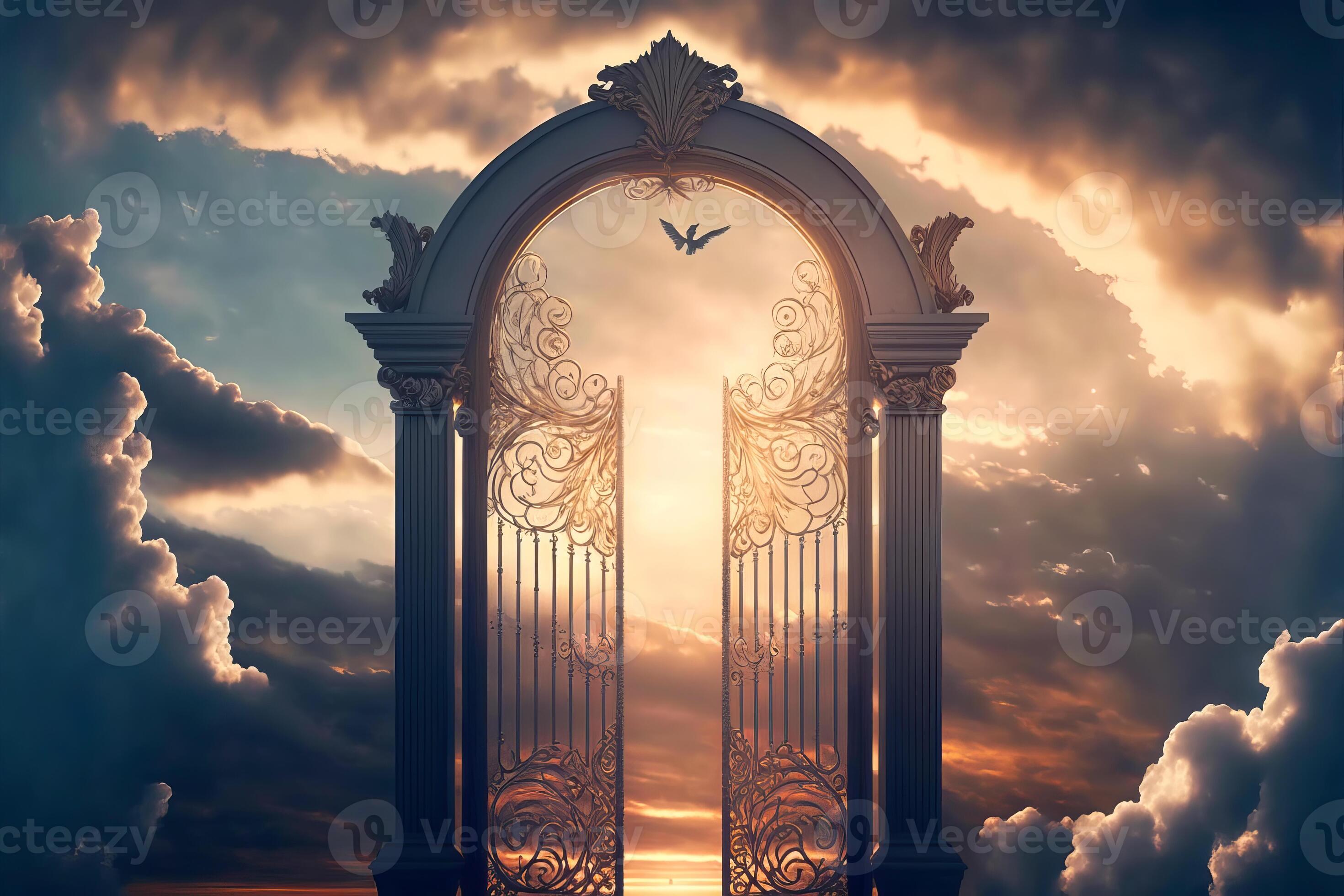
While technical skills are essential, composition and creativity are also vital components of capturing stunning photos of the heavens. This includes considering the rule of thirds, leading lines, and framing. For example, capturing the sun during sunrise or sunset through a archway or tree can add depth and interest to the photo.
Tips for Creative Composition
Here are some
tips for creative composition when capturing photos of the heavens: - Experiment with different angles and perspectives - Consider the rule of thirds and leading lines - Use natural frames such as archways, trees, or mountains - Capture the heavens in relation to the landscape or architecture
Shooting During Different Times of Day
The heavens offer a wealth of opportunities for photography during different times of day. From the soft, warm light of sunrise to the vibrant colors of sunset, each time of day presents unique challenges and opportunities.
Sunrise Photography Capturing the
sunrise requires an early start, but the rewards are well worth it. The soft, warm light of sunrise can add a magical quality to photos, and the clouds are often painted with hues of pink and orange.
Sunset Photography
Sunset photography offers a different set of challenges and opportunities. The vibrant colors of sunset can be breathtaking, but the fast-changing light requires quick thinking and adjustments to camera settings.
Nighttime Photography Capturing the stars and galaxies at night requires a different set of skills and equipment.
A wide-angle lens, tripod, and remote shutter release are essential, and a location with minimal light pollution is ideal.
Common Mistakes and Limitations Despite the
many opportunities for capturing stunning photos of the heavens, there are
common mistakes and limitations to be aware of. These include overexposure, camera shake, and poor composition. It's also essential to be aware of the weather and light conditions, as these can greatly impact the quality of the photos.
Overcoming Common Mistakes
Here are some tips for
overcoming common mistakes when capturing photos of the heavens: - Use a tripod and remote shutter release to reduce camera shake - Experiment with different camera settings to avoid overexposure - Consider the composition and creativity of the photo - Be patient and flexible, as the weather and light conditions can change quickly
Realistic Use Cases and Examples
Capturing photos of the heavens can be applied to a variety of real-world scenarios, from landscape and nature photography to fine art and commercial photography. For example, a photo of a stunning sunrise or sunset can be used as a cover image for a travel magazine or brochure, while a photo of the stars and galaxies can be used as a backdrop for a sci-fi movie or video game.
Practical Examples
Here are some
practical examples of capturing photos of the heavens: - Landscape photography: capturing the sunrise or sunset over a mountain range or coastline - Fine art photography: capturing the stars and galaxies in a creative and abstract way - Commercial photography: capturing the heavens for use in advertising or marketing campaigns
Conclusion
Capturing stunning photos of the heavens requires a combination of technical skill, creativity, and patience.
By understanding the technical aspects of photography, choosing the right equipment, and considering composition and creativity, photographers can capture breathtaking photos of the heavens. Whether it's for personal enjoyment or professional application, capturing photos of the heavens can be a rewarding and inspiring experience.