Choosing the right approach to capturing the heavens on camera starts with clear context, practical filters, and realistic expectations.
Introduction to Astrophotography The heavens have long been a source of fascination for humans, with their vast expanse of stars, planets, and galaxies.
Capturing the beauty of the heavens on camera can be a challenging but rewarding experience. Astrophotography, the art of photographing the night sky, requires a combination of technical skill, patience, and attention to detail. In this article, we will explore the basics of astrophotography and provide tips for capturing stunning images of the heavens.
Understanding Your Equipment To get started with astrophotography, you will need a few basic pieces of equipment. A
DSLR or mirrorless camera is a good starting point, as it will allow you to manually control the exposure and focus. A tripod is also essential, as it will help to stabilize the camera and prevent camera shake. Additionally, a wide-angle lens with a focal length of 10-24mm is ideal for capturing the vast expanse of the night sky.
Camera Settings for Astrophotography
When it comes to camera settings, there are a few key things to keep in mind. A low ISO (such as 800 or 1600) is best for capturing the faint light of the stars, while a wide aperture (such as f/2.8) will help to let in as much light as possible. The shutter speed will depend on the type of image you are trying to capture, but a good starting point is 20-30 seconds.
Types of Astrophotography
There are several different types of astrophotography, each with its own unique challenges and rewards. Some of the most popular types include:
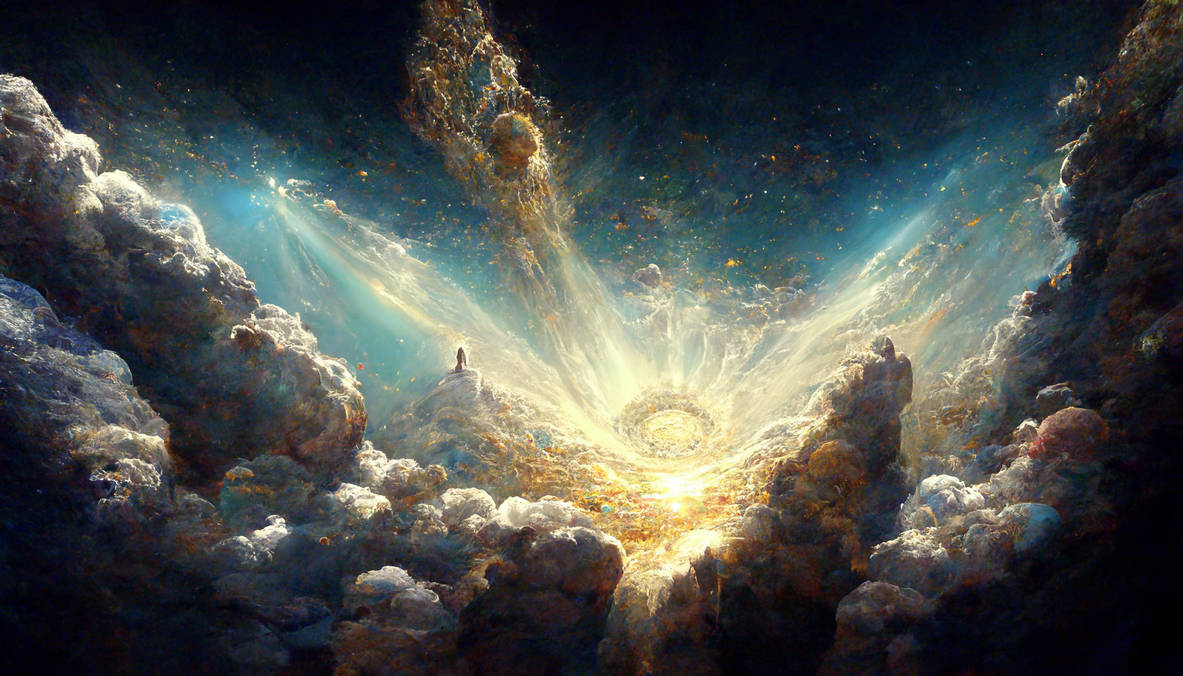
- Deep space photography: This involves capturing images of distant galaxies, nebulas, and other celestial objects.
- Planetary photography: This involves capturing images of the planets in our solar system, such as Jupiter, Mars, and Saturn.
- Lunar photography: This involves capturing images of the moon, including its phases and eclipses.
- Aurora photography: This involves capturing images of the northern or southern lights, which can be a breathtaking sight.
Tips for Capturing the Heavens Capturing the heavens on camera can be a challenging experience, but with a few
tips and tricks, you can improve your chances of getting a great shot. Some things to keep in mind include:
- Find a dark location: Light pollution can be a major obstacle when it comes to astrophotography, so it's best to find a location that is as dark as possible.
- Use a remote shutter release: This will help to prevent camera shake and ensure that your images are sharp and clear.
- Shoot in RAW: This will give you more flexibility when it comes to editing your images, as you will be able to adjust the exposure, contrast, and color balance.
Common Mistakes to Avoid When it comes to astrophotography, there are several common mistakes that can be easily avoided. Some of the most common mistakes include:
- Using too high of an ISO: This can result in images that are noisy and grainy.
- Not using a tripod: This can result in images that are blurry and out of focus.
- Not checking the weather: This can result in images that are ruined by clouds or other weather conditions.
Software and Editing Once you have captured your images, it's time to edit them.
There are several different software options available, including Adobe Lightroom and Photoshop. Some of the key things to look for in editing software include:
- Noise reduction: This can help to reduce the amount of grain and noise in your images.
- Color balance: This can help to adjust the color balance of your images and ensure that they look natural and realistic.
- Contrast adjustment: This can help to adjust the contrast of your images and make them more visually appealing.
Top 5 Astrophotography Software Options
Here are five of the
- top astrophotography software options:
- Adobe Lightroom: This is a powerful editing software that offers a wide range of tools and features.
- Adobe Photoshop: This is a professional-level editing software that offers advanced tools and features.
- StarStax: This is a free software that is specifically designed for astrophotography and offers a range of tools and features.
- Autostakkert: This is a free software that is designed for planetary imaging and offers a range of tools and features.
- PixInsight: This is a professional-level software that offers advanced tools and features for astrophotography.
Real-World Examples Astrophotography can be used in a variety of real-world applications, including:
- Research: Astrophotography can be used to study the night sky and gain a better understanding of the universe.
- Education: Astrophotography can be used to teach people about the night sky and the universe.
- Art: Astrophotography can be used to create beautiful and visually stunning images that can be used in art and design.